Green Samar, Philippines.
The revival of a large iconic natural park
Project type: Restoration and Protection
Restoration of 120 000 ha
with native species
of a UNESCO candidate natural park.
18 Mt of high-quality Carbon Removal Units (CRUs) over 40 years, starting in 2030.
VM0047-Abacus methodology.
Unique world value
biodiversity co-benefits
Permanent protection mechanism.
Possibility to generate Biodiversity Certificates.
20 000+ very poor people
directly supported
Livelihood improvement and benefit sharing.
Social plan aligned with IFC Performance Standards.
Key technical partners
Restoring a large iconic natural park
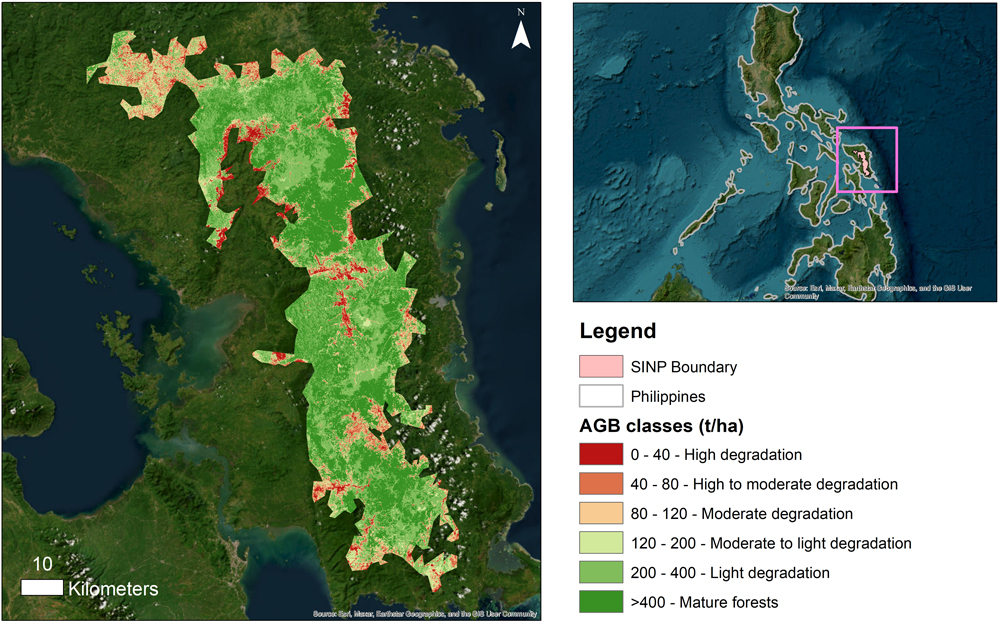
The Samar Island Natural Park (335,000 ha), home to the Philippines’ eagle, is the largest terrestrial protected area in the Philippines and one of the country’s most important old-growth rainforest reserves.
Despite its protected status, parts of the park have been degraded by illegal logging, unsustainable timber extraction, and pressures linked to local livelihoods.
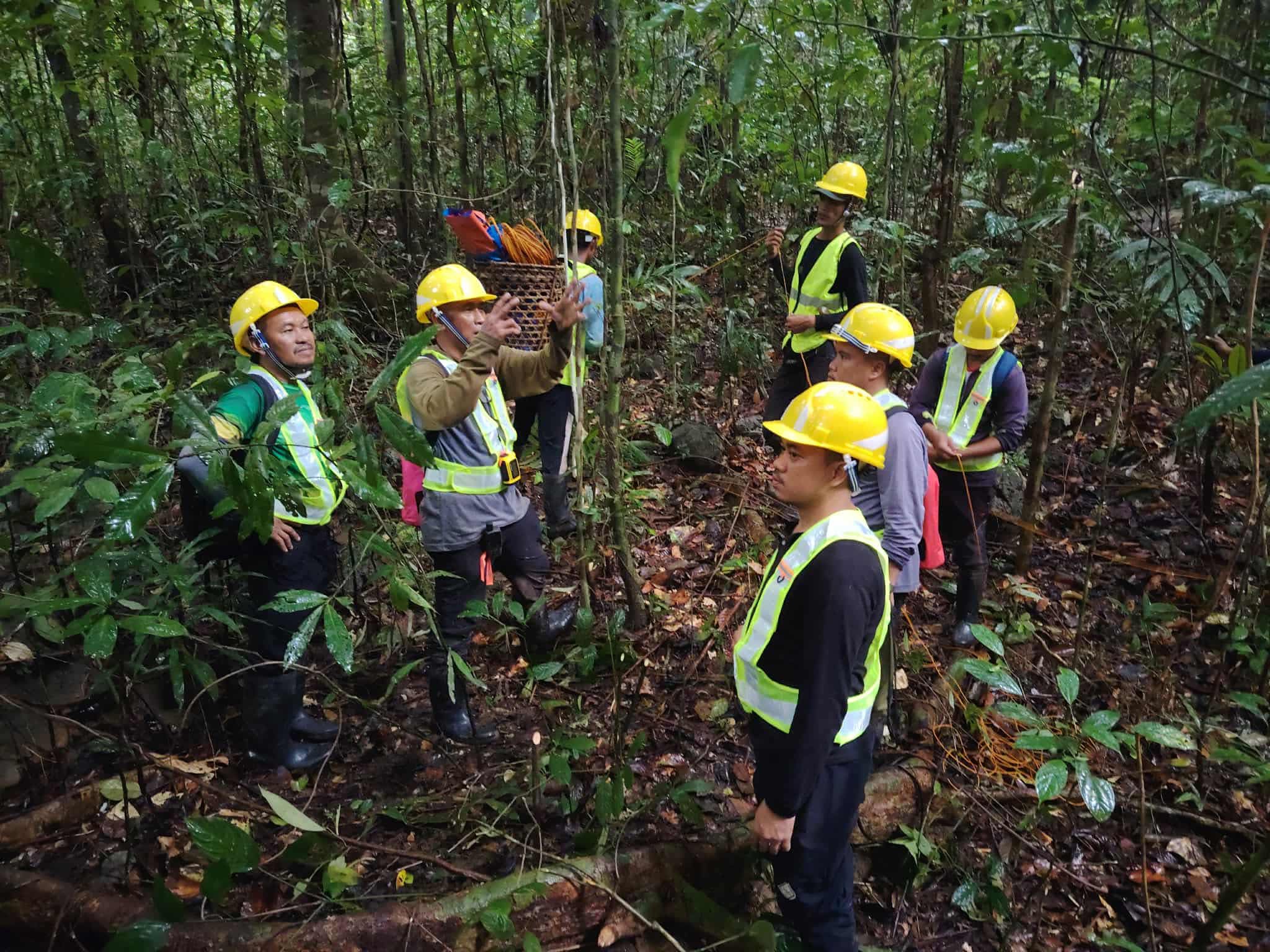
Under a 50-year agreement with the Government of the Philippines, the Green Samar Project aims to restore 120,000 ha of degraded forest within the park through a combination of direct planting of native tree species, assisted natural regeneration, and enrichment planting. In parallel, the project will extensively strengthen the park’s management
and protection capacities, ensuring the long-term conservation of the area. It will also improve the living conditions of more than 20,000 people residing in communities within the park.
Permanence ensured even after the crediting period
The project benefits from:
- Strong legal protection: Samar Island Natural Park is a designated national park;
- The candidacy of the Samar Island Natural Park for UNESCO World Heritage status;
- Throughout the crediting period, an immediate and substantial increase of the protection of the park, financed by the project and deployed;
- After the crediting period, the creation of a Permanent Protection Mechanism, with a dedicated co-governed fund, capitalized by -carbon credit revenue, to finance conservation measures.
Timeline
-
MOU signed
with Government
and local province. May 2024 - Positive feasibility achieved. March 2025
-
Launch of 500 ha
restoration. Q4 2025 -
Restoration/carbon
Agreement signed
with the government. June 2026 -
Offtakes
contracted,
financial closing. Dec. 2026 - First carbon credits delivered. 2030